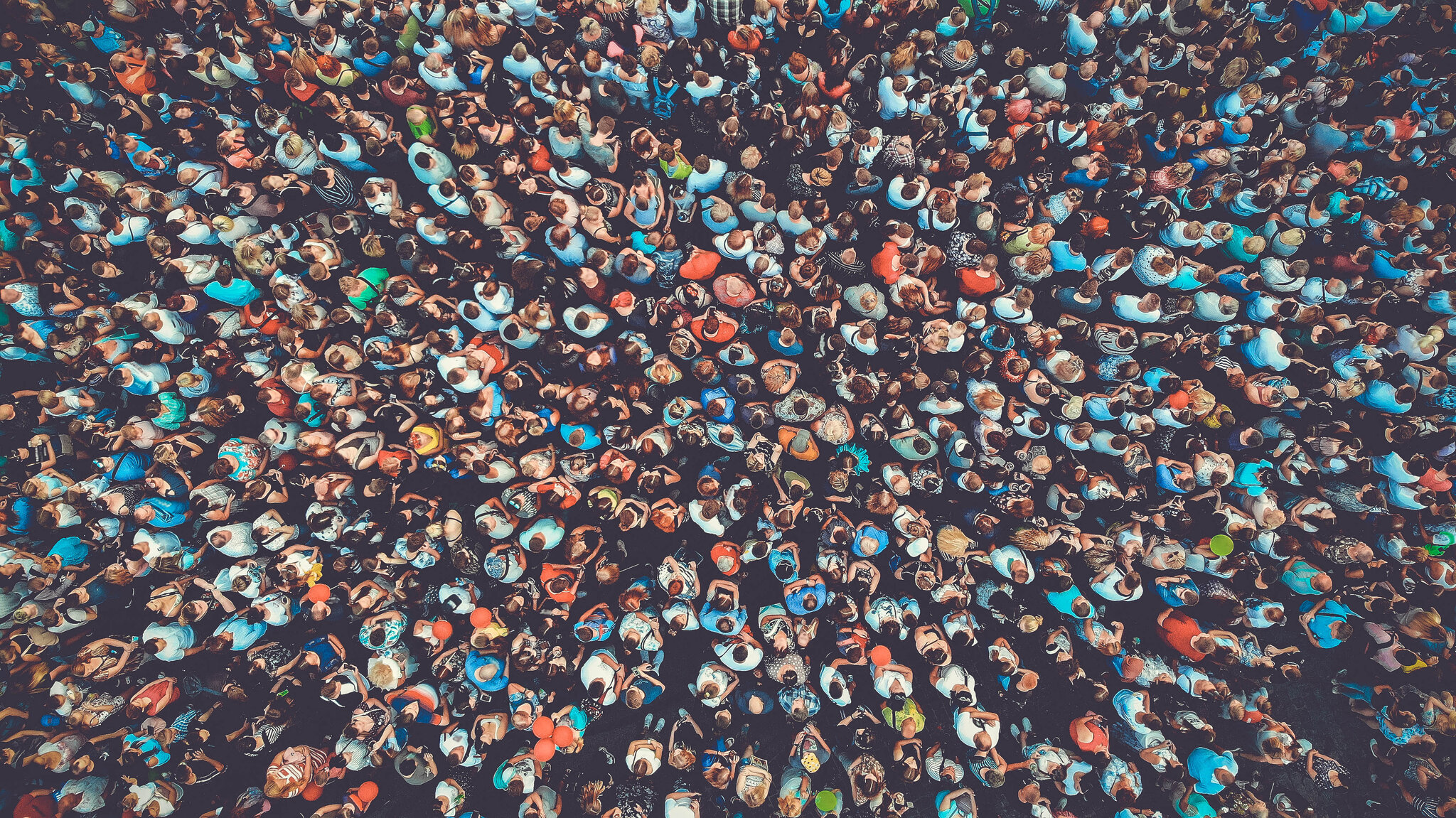
What makes the difference between a crowd singing in unison at a concert and a mob storming the gates of power? In this episode, the hosts take listeners into the messy, unpredictable space where solidarity teeters on the edge of chaos. They unpack how naming a gathering as a “mob” is never neutral—it does political work, shaping both public perception and police response. From the joyful swell of protest chants to the frightening intensity of January 6th, this conversation asks: when does belonging tip into violence, and who gets to decide?
Whether you’ve ever felt swept up in the electricity of a rally or uneasy in the crush of a crowd, this episode challenges you to think about what is gained and lost when “we” become something more than the sum of our parts. Tune in, and you may never see gatherings—online or off—the same way again.
In this episode, we discuss the following ideas/thinkers/texts/etc.:
- Benedict de Spinoza, Political Treatise (1677)
- Jason Read’s blog Unemployed Negativity
- Sigmund Freud, Introductory Lectures on Psychoanalysis (1917)
- Mary Shelley, Frankenstein (1818)
- Disney’s Beauty and the Beast (Film, 1991)
- 1968 Democratic National Convention (Chicago)
- January 6 United States Capitol attack
- Itaewon crowd crush (2022)
- Émile Durkheim, collective behavior and social norms
- Donald Trump’s rhetoric of immigrant “hordes”
- Elton John’s Farewell Yellow Brick Road Tour
- Phish concert riots (State College, PA, 1998)
- The Godfather Part II (Film, 1974)
- Labeling theory in sociology
- Militarization of policing in the United States
- Empathy as a philosophical and psychological concept