
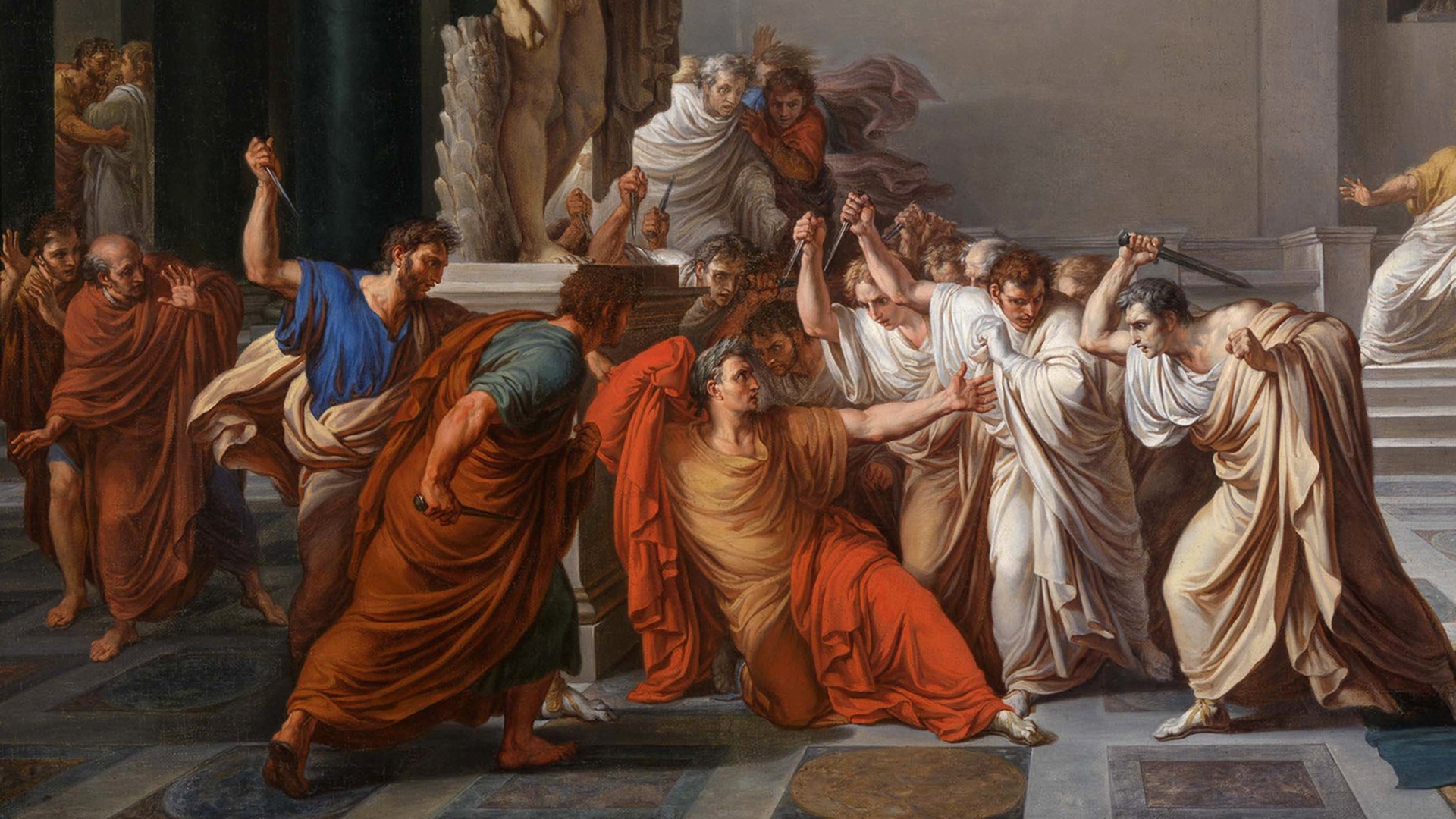
There are plenty of ready-to-hand moral sanctions for lies told and promises broken. We know how those wrongs work, we know what the apologies sound like, and we know, more or less, how to move on from them. Betrayal is different. Ask anyone who has been betrayed and they’ll tell you: the apology did nothing, the explanation did nothing, and the well-meaning friend who said “you should have known better” only made it worse. Something more is wronged in a betrayal than any rule of the relationship, and that something reaches backward as well as forward. Every remembered kindness becomes suspect. So does your own judgment about where to put your trust next time.
In this episode, the HBS co-hosts try to name that surplus wrong, and they don’t agree on what they find. Is betrayal something that happens in the world, or is it a feeling that only the betrayed person can author? Can you be betrayed by someone who told you it was coming, or by someone forced to do it? What about the self-betrayals we’re ordered into, or the ones our own bodies commit? Grab a drink and join us as we pick up where our conversation on trust left off and figure out why nobody wants their last words to be “Et tu, Brute?”
In this episode, we discuss the following thinkers, texts, ideas, etc.:
- Hotel Bar Sessions, “Episode 231: Trust”
- Trust
- William Shakespeare, Julius Caesar
- Intention
- Lying and deception
- Promises
- Heathers (Film, 1988)
- Friendship
- Loyalty
- Moral injury
- Torture
- Thomas E. Hill, Jr., “Servility and Self-Respect” (The Monist, 1973)
- Phenomenology
- Whistleblowing
American politics anger apology betrayal Brutus community ethics forgiveness Foucault friendship guilt humiliation Julius Caesar loyalty lying moral emotions moral injury moral philosophy phenomenology politics promise-breaking responsibility self-betrayal self-respect servility Shakespeare shame Thomas E. Hill Jr. traitors trust vulnerability whistleblowers