
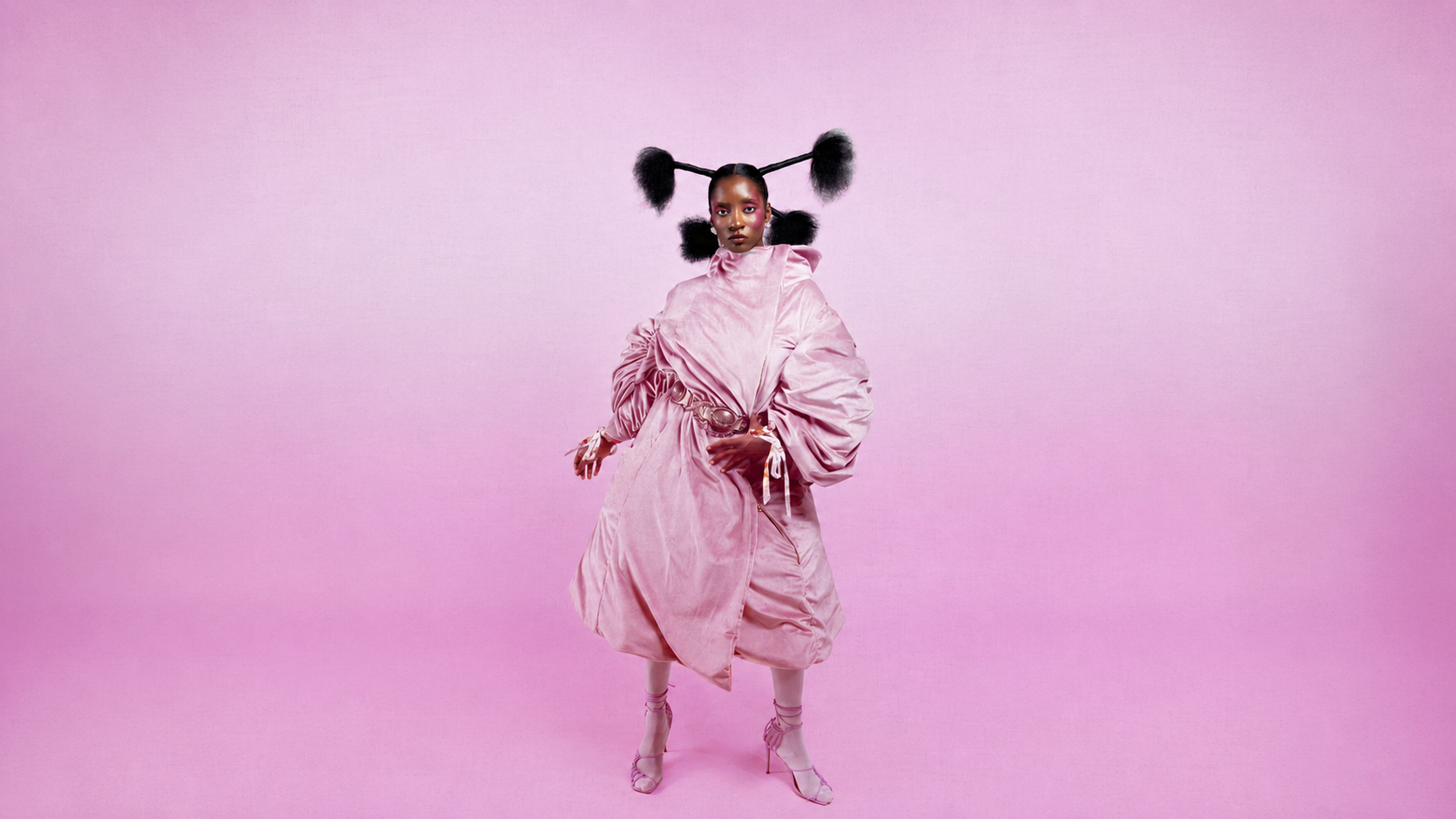
You are wearing an outfit right now. Maybe you chose it deliberately this morning, or maybe you grabbed it off the floor, but either way it is currently saying things about your class, your gender, your politics, your relationship to the very idea of caring how you look. Roland Barthes argued that this is what separates fashion from “mere clothing.”
Fashion is clothing that has become a language, and the fashion industry is the institution that keeps everyone manufacturing new meanings each season so that garments become obsolete long before they wear out. The genius of the system is that it sells this obligation as “taste,” as “freedom.” Your closet feels like self-expression, while functioning as a subscription service. If fashion is a language, can anyone refuse to speak it? The jeans-and-hoodie crowd, the Amish, and the uniform-wearers of the world would like a word, and one of your three co-hosts (Leigh) is firmly among them.
This episode also asks why the same hoodie signifies differently on different bodies, what hair straightening reveals about assimilation and power, how gay men built an entire covert semiotics out of ties and handkerchiefs before Stonewall, and who is actually paying the price, in labor and in landfill, for clothes designed to die young.
Grab a drink and join us as two fashion-literate philosophers try to convince their unfashionable friend that nobody, no matter how committed they may be to their hoodie, ever really opts out.
In this episode, we discuss the following thinkers, texts, ideas, etc.:
- Roland Barthes
- Roland Barthes, The Fashion System
- Semiotics
- The Devil Wears Prada (the “cerulean” monologue)
- Judith Butler, Gender Trouble: Feminism and the Subversion of Identity
- Gender performativity
- J.L. Austin (speech acts and performatives)
- Jacques Derrida, “How to Avoid Speaking: Denials” trans. Ken Frieden, in Derrida and Negative Theology, eds. Harold Coward and Toby Foshay (SUNY Press, 1992)
- Susan Sontag, “Notes on ‘Camp'”
- Killing of Trayvon Martin (hoodies and racialized signification)
- Frantz Fanon, Black Skin, White Masks
- Tā moko (Māori tattooing)
- Handkerchief code (pre-Stonewall gay semiotics)
- Fast fashion
- The Leopard (Luchino Visconti, 1963)
Like and Follow Hotel Bar Sessions!
Stay current with our most recent episodes, behind-the-scenes updates, announcements, and more! Follow us on your favorite platforms below:
Support Us on Patreon!
Enjoying our conversations? Keep them going by supporting Hotel Bar Sessions on Patreon. Your support helps us bring fresh content, deeper discussions, and exclusive perks for our community.