
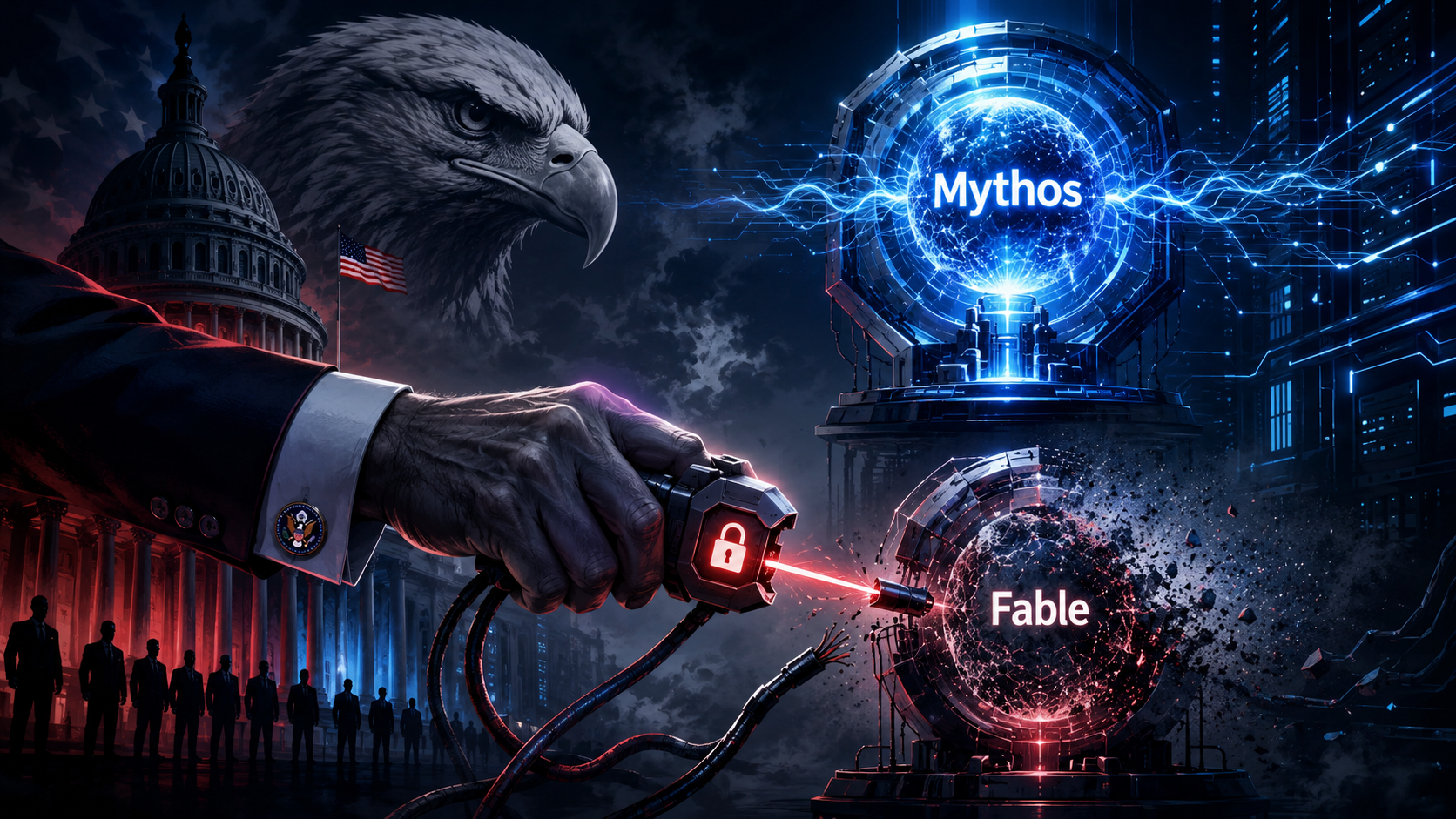
In the spring of 2026, Anthropic released to the public what it described as its most capable AI model to date… and then the U.S. government shut it down seventy-two hours later. That subsequent sequence of events, strange and almost operatic in its timing, is the kind of thing we might genuinely call “unprecedented.” It was also a crystalline illustration of something philosophers have been decrying for decades: the difference between performing ethical responsibility and actually exercising it.
What does it mean to reason morally about the risks of a technology about which we do not yet fully understand its potential impacts in the future? Given that a very small number of decisionmakers will shape the conditions of life for everyone else for the next several decades, what do we owe to the people who will bear the consequences of those decisions without having had any say in them? When “ethical AI” has become a brand strategy rather than a practice, how do we hold anyone accountable for the gap between what they say and what they do?
In this episode, Leigh references the following thinkers, texts, ideas, and events:
- Moral reasoning (Internet Encyclopedia of Philosophy)
- Epistemology (Stanford Encyclopedia of Philosophy)
- AI ethics / “ethical AI” (Stanford Encyclopedia of Philosophy)
- Export controls and AI regulation — Anthropic’s official statement on the U.S. government directive to suspend access to Fable 5 and Mythos 5
- “Anthropic disables access to Fable 5 and Mythos 5 to comply with government directive” (CNBC)
- “Anthropic disables Fable and Mythos AI models following U.S. government export ban” (Fortune)
- “Anthropic’s safety warnings may have just backfired” (TechCreunch)
- Project Glasswing — Anthropic’s restricted cybersecurity initiative under which Mythos 5 was made available to vetted partners prior to public release
- Jailbreaking (AI) — the practice of bypassing an AI model’s safety guardrails [link needed — verify best current entry]
- The Trolley Problem (Stanford Encyclopedia of Philosophy; see also the IEP entry on the Doctrine of Double Effect)
- U.S. export control law / Export Administration Regulations (U.S. Bureau of Industry and Security)
- Sam Altman — OpenAI
- Dario Amodei — Anthropic
- Hamilton (musical, 2020), “The Room Where It Happens”
- Monty Python and the Holy Grail (Film, 1975)
Like and Follow Hotel Bar Sessions!
Stay current with our most recent episodes, behind-the-scenes updates, announcements, and more! Follow us on your favorite platforms below:
Support Us on Patreon!
Enjoying our conversations? Keep them going by supporting Hotel Bar Sessions on Patreon. Your support helps us bring fresh content, deeper discussions, and exclusive perks for our community.